- Appcues starts at $249/month publicly but quickly jumps on volume, and its analytics are shallow compared to tools like Pendo or Userpilot.
- Userpilot is the strongest all-around Appcues alternative for mid-market SaaS teams that want built-in product analytics alongside tours and checklists.
- UserGuiding undercuts nearly everyone on price and covers most use cases for early-stage teams with under 2,500 MAUs.
- Chameleon wins on customization depth; it lets designers control the exact DOM injection points, which matters for complex single-page applications.
- WalkMe is enterprise-grade digital adoption software, built for IT-led rollouts, not product-led growth teams shipping twice a week.
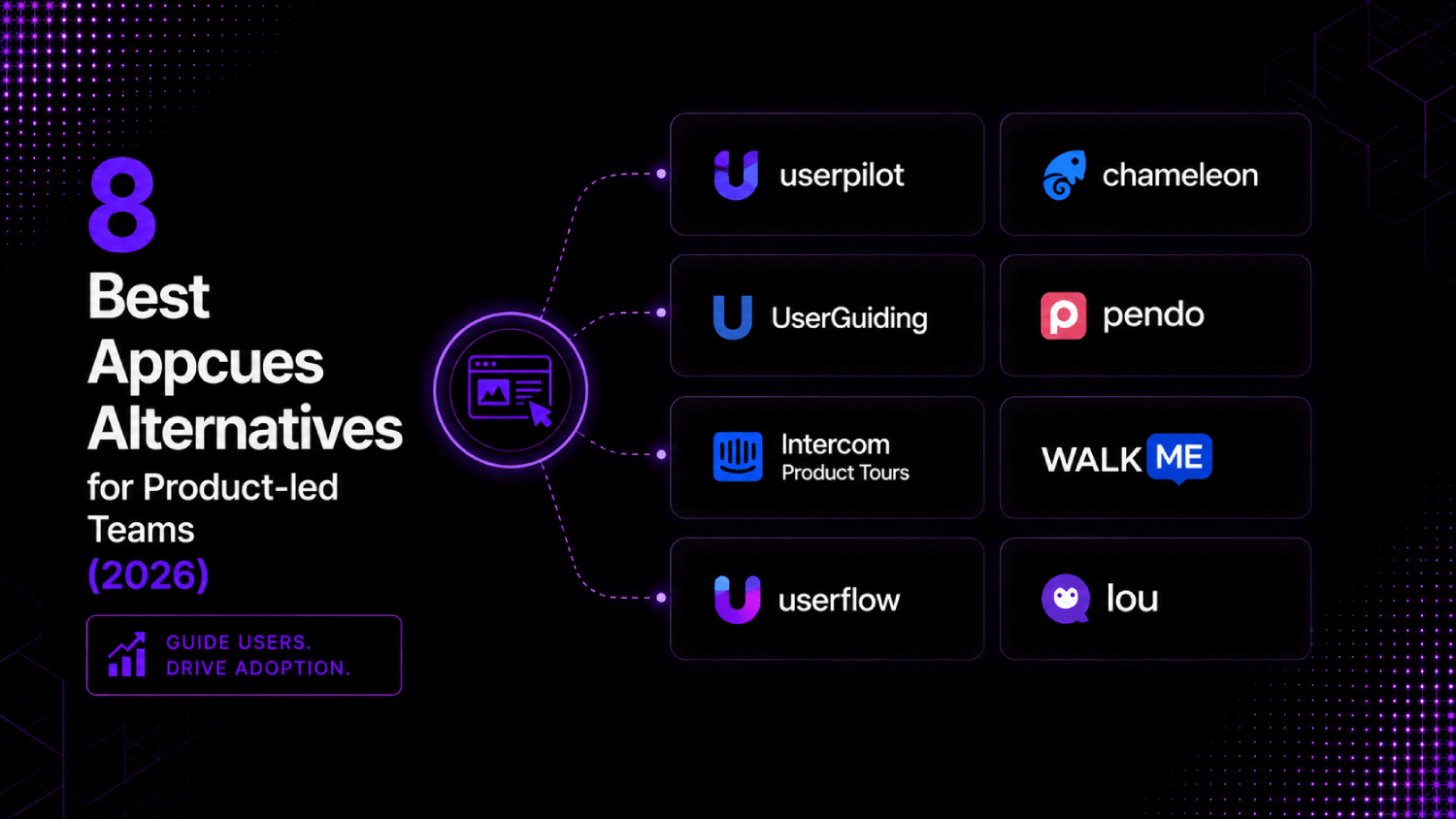
The best Appcues alternatives are Userpilot, Chameleon, UserGuiding, Pendo, Intercom Product Tours, WalkMe, Userflow, and Lou. Userpilot is the top pick for mid-market SaaS teams that need product analytics alongside in-app guidance. UserGuiding suits early-stage teams on tight budgets. Chameleon fits engineering-heavy teams who need DOM-level customization. Pendo is best when behavioral analytics, roadmapping, and in-app tours must live in one platform.
Why Are Teams Looking for Appcues Alternatives?
Appcues built its reputation on a no-code builder that non-technical product managers could actually use without engineering tickets. That still holds. What has changed is that competing tools have closed the usability gap while offering sharper analytics, more flexible pricing, or both.
Three friction points come up repeatedly in buying conversations. First, Appcues’s analytics layer shows completion rates and step-by-step drop-off, but it does not generate the deeper behavioral event data that feeds a product team’s growth model. Second, pricing scales on monthly active users, which punishes teams as they grow without adding proportional value. Third, Appcues’s NPS and checklist features, while present, sit behind a higher tier.
Teams exploring digital adoption platforms for SaaS onboarding often realize mid-evaluation that “in-app guidance” is a spectrum. A modal tour is not the same as a full product analytics layer, and a product-led team at series B has very different requirements than a 12-person startup shipping its first onboarding flow.
The AboutMartech Fit-Layer Test: Four Checks Before Switching
Before comparing individual tools, run these four checks. The goal is to eliminate options before you waste time in demos. The Fit-Layer Test is not a feature scorecard , it is a stack-compatibility filter. Two teams can look at identical feature matrices and reach opposite conclusions based on how they answer these questions.
- Data residency: Does your customer data leave your environment? Some teams, especially in healthcare and fintech, cannot pipe user PII to a third-party overlay tool without a BAA or DPA. WalkMe and Pendo have enterprise data agreements; some smaller tools do not.
- Install method: Snippet-based tools (Appcues, UserGuiding, Lou) are faster to deploy but can conflict with strict Content Security Policies. Tools with a React SDK or native integration (Userflow, Chameleon) handle CSP-locked SPAs more cleanly.
- Analytics ownership: Will the tool be your system of record for behavioral data, or does it sit beside Mixpanel or Amplitude? If you already have a product analytics stack, paying for Pendo’s analytics layer is redundant. If you do not, it may be the cheapest path to both.
- Pricing ceiling: Sketch out your MAU count at 12 and 24 months. Per-MAU pricing models compound fast. Tools with flat-rate tiers (Chameleon, Userflow) become meaningfully cheaper at scale.
These four checks will disqualify at least two or three tools from the list below before you open a single demo. That matters more than any feature matrix.
Which Appcues Alternative Should You Actually Use?
| Tool | Best For | Public Starting Price | Analytics Depth | Install Method |
|---|---|---|---|---|
| Userpilot | Mid-market SaaS, all-in-one | $249/month (Starter) | High | Snippet / Chrome ext |
| Chameleon | Engineering-heavy teams, SPAs | $279/month (Startup) | Medium | Snippet / React SDK |
| UserGuiding | Early-stage, budget-conscious | $69/month (Basic) | Low-Medium | Snippet |
| Pendo | Analytics + guidance combined | Free tier; paid is quote-based | Very High | Snippet / SDK |
| Intercom Product Tours | Teams already on Intercom | Add-on (pricing on request) | Low | Intercom snippet |
| WalkMe | Enterprise IT/digital adoption | Quote-based only | High | Snippet / browser ext |
| Userflow | Developer-friendly, fast setup | $300/month (Startup) | Medium | JS snippet / React |
| Lou | Very early-stage, free tier | Free; paid from $79/month | Low | Snippet |
1. Userpilot: The Strongest Full-Stack Alternative to Appcues
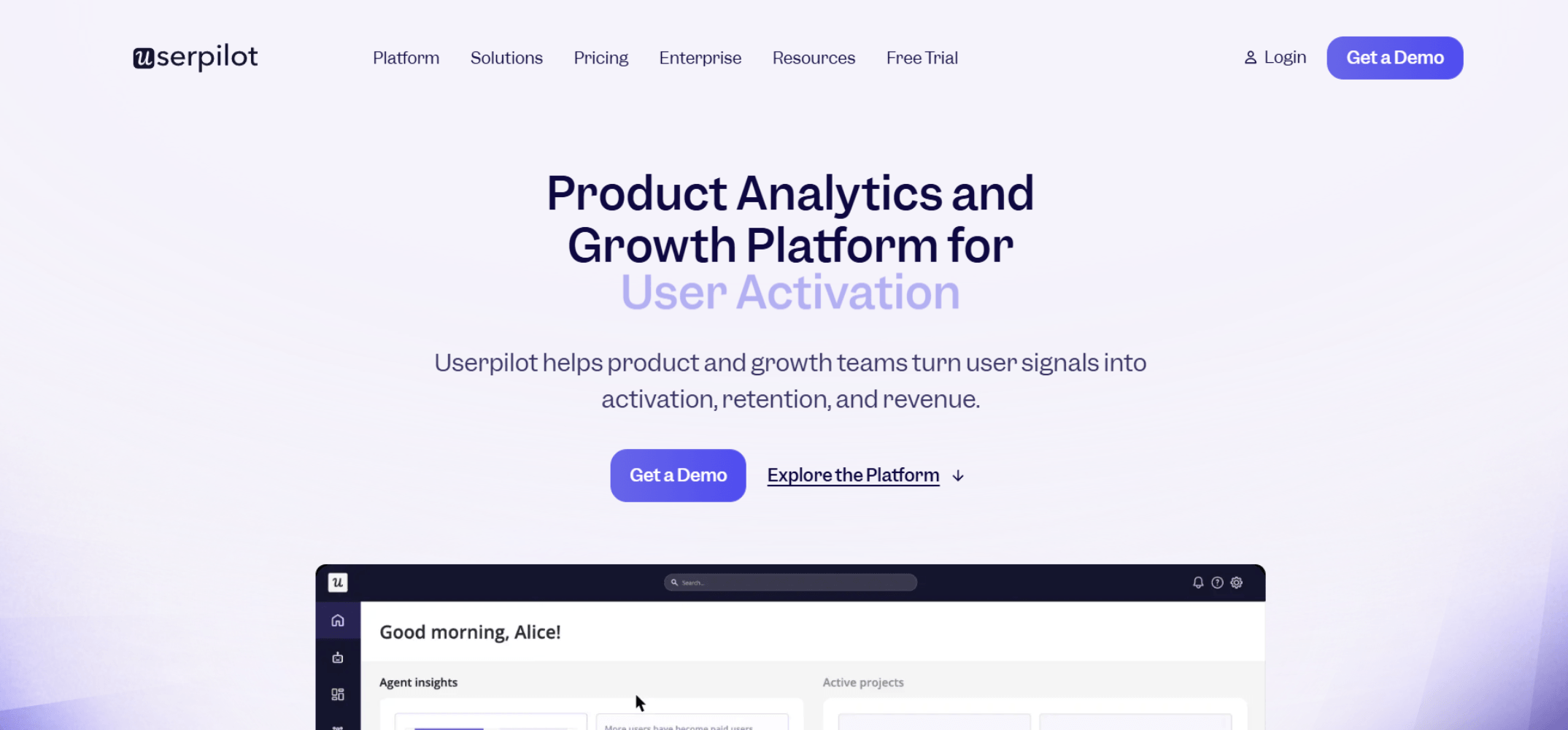
Userpilot combines in-app tours, checklists, tooltips, and NPS surveys with a behavioral analytics layer that tracks feature adoption by cohort. That combination is what makes it the most direct Appcues replacement for teams that feel constrained by Appcues’s reporting.
The builder is genuinely no-code. A product manager can publish a new flow without an engineering hand-off, which matters when your sprint cycle is two weeks. Userpilot’s Starter plan is $249/month on their public pricing page, which puts it at parity with Appcues’s entry price while including analytics that Appcues charges more for at higher tiers.
The one trade-off: Userpilot’s flow editor, while powerful, has a steeper initial learning curve than Appcues’s because there are more options. Teams with a dedicated product operations person absorb this quickly. A founder wearing five hats may prefer UserGuiding’s simpler interface.
Where the Fit-Layer Test makes this concrete: a team that answers “yes” to already having Amplitude or Mixpanel and “no” to needing DOM-level SPA control will find Userpilot covers the remaining gap at the lowest incremental cost among the capable options.
2. Chameleon: Best for Teams Who Need DOM-Level Control
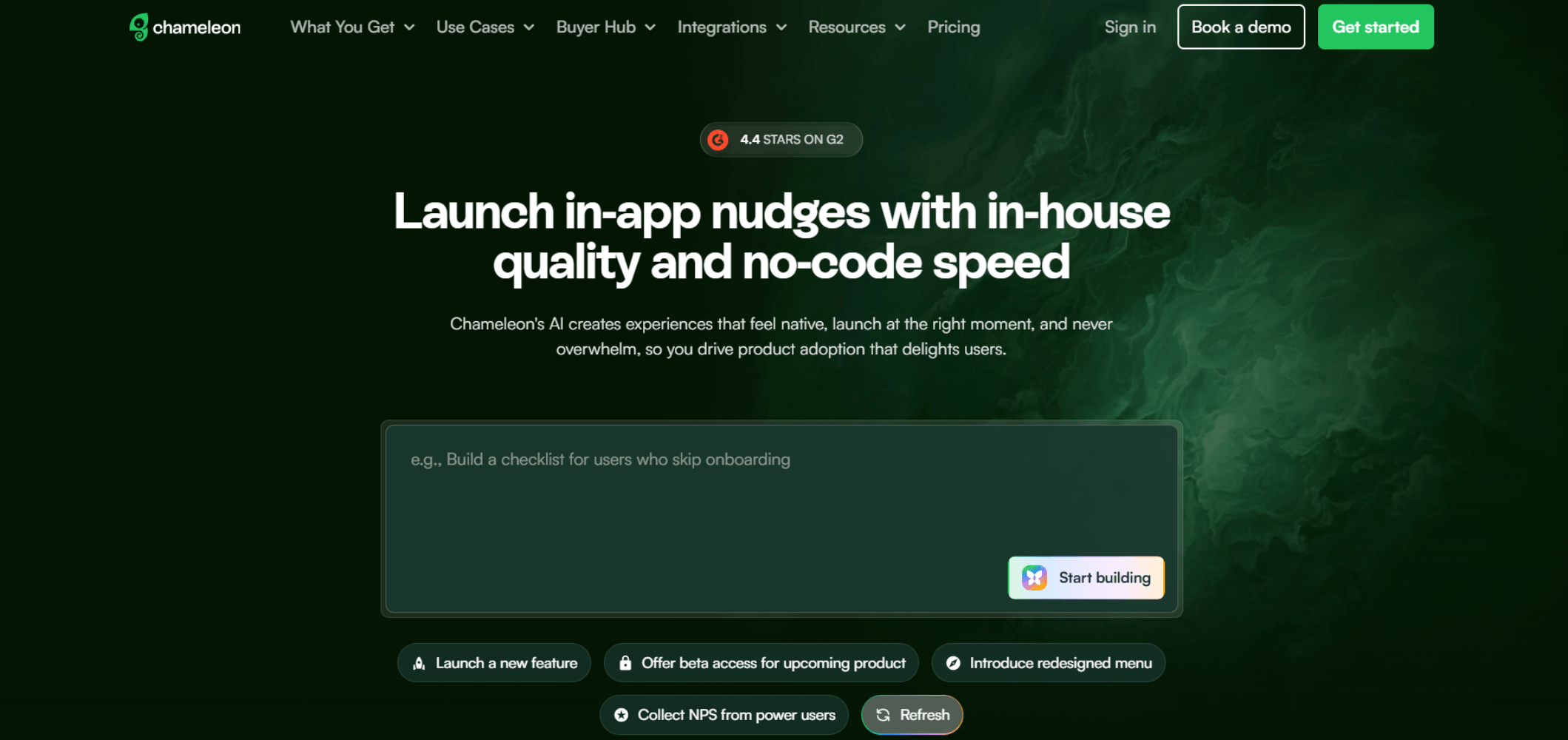
Chameleon is not the easiest tool in this list, and that is the point. It gives designers and engineers precise control over how overlays interact with the DOM, which is critical for complex React applications where other snippet-based tools render inconsistently or break on state changes.
The Startup plan is $279/month according to Chameleon’s public pricing page, and it includes A/B testing of tours, which Appcues reserves for higher tiers. Chameleon also connects to Segment, HubSpot, and Salesforce natively, so tour triggering logic can pull from CRM properties rather than just in-app behavior.
Teams building on Next.js or Remix with strict CSP headers consistently report that Chameleon handles the edge cases that break other tools. If your app is a conventional server-rendered web product, that advantage disappears and Userpilot or UserGuiding will serve you just as well at lower cost.
3. UserGuiding: The Budget Pick That Earns Its Place
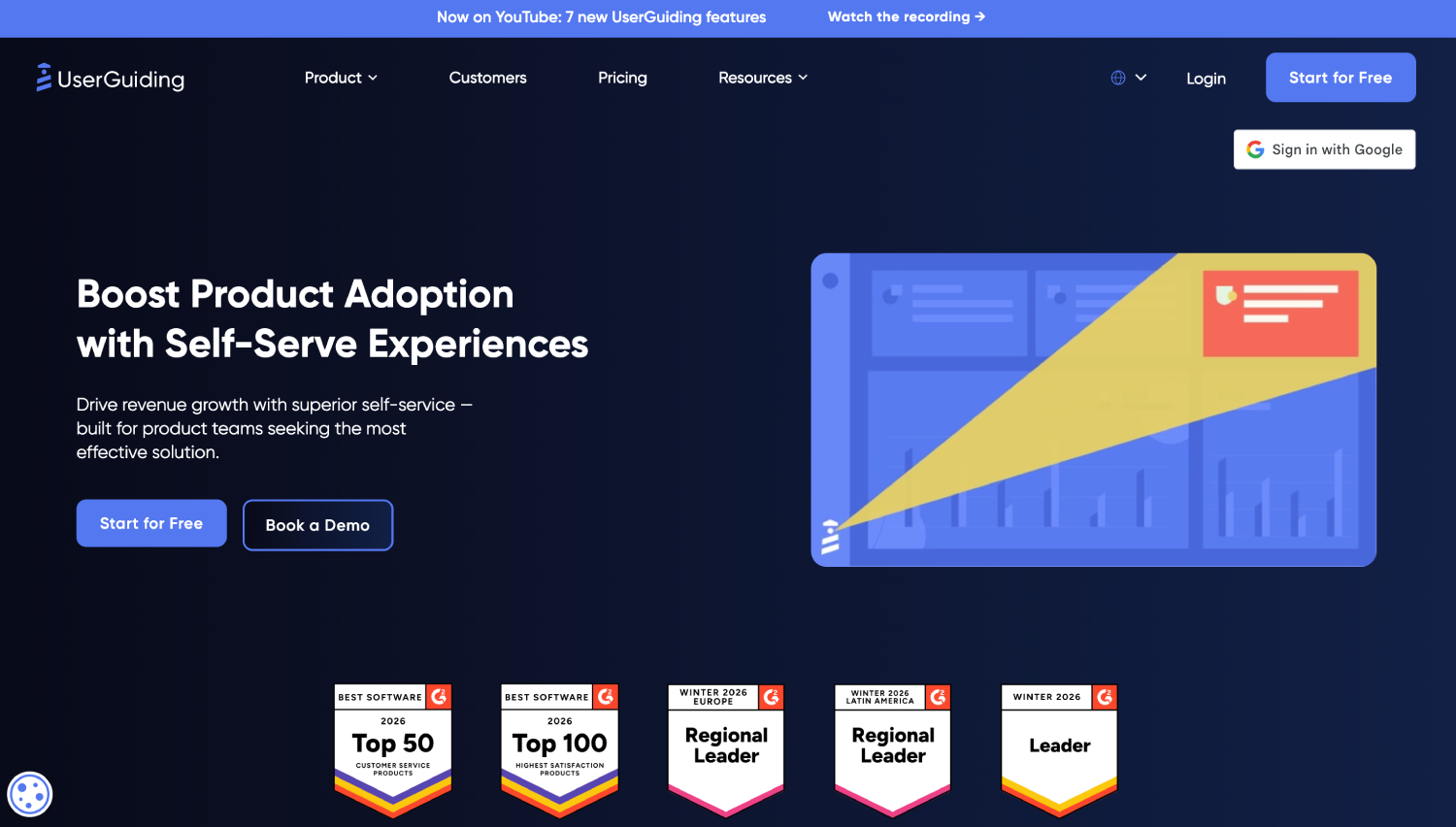
UserGuiding starts at $69/month for its Basic plan, which covers up to 1,000 MAUs. That price point is not a stripped-down tease; it includes guides, checklists, hotspots, and in-app surveys. For an early-stage SaaS team, those are the four tools that move activation metrics.
Where UserGuiding shows its limits is in analytics. The reporting covers step completion and guide views, but it does not surface feature adoption curves or cohort-level retention data. Teams treating UserGuiding as a behavioral data source will be disappointed. Teams using it alongside Mixpanel or Amplitude for analytics and just wanting a clean tour builder will find it entirely adequate.
The no-code builder is the cleanest in this list for non-technical users. A CS or growth manager can ship a new checklist in under 20 minutes without touching the product roadmap.
4. Pendo: When You Need Analytics and Guidance in One Contract
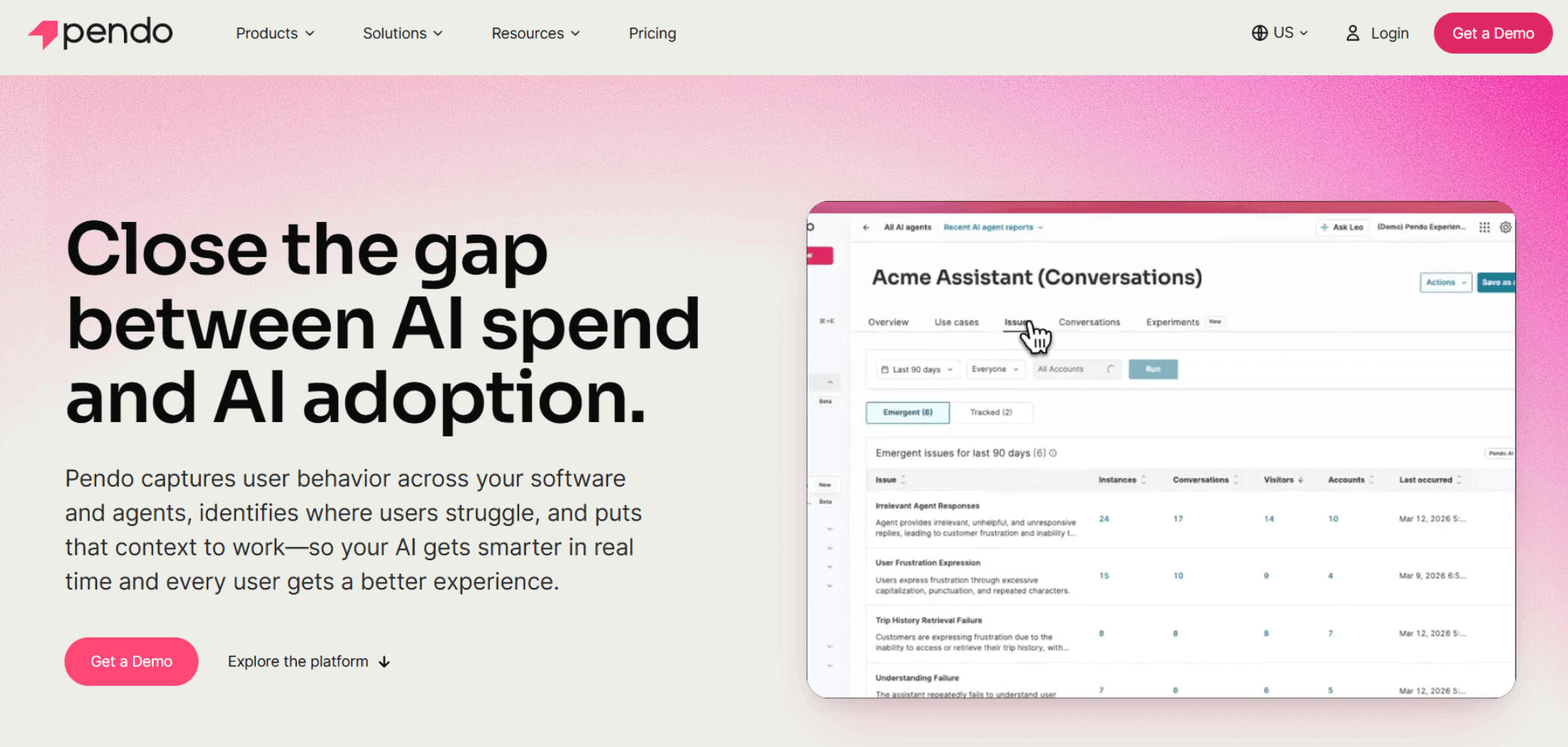
Pendo is the most analytically capable tool in this comparison. It tracks page-level and feature-level usage, surfaces retention by cohort, and lets PMs tag features retroactively without code. The in-app guidance layer (tours, tooltips, banners) sits on top of that behavioral foundation rather than beside it.
Pendo’s free tier covers up to 500 MAUs and gives legitimate access to the analytics core. Paid plans are quote-based. At the mid-market level, Pendo typically lands higher than Appcues on total contract value, but teams that were paying separately for a product analytics tool often find the net cost lower.
If you are already using Mixpanel or Amplitude, covered in detail in the Mixpanel vs Amplitude comparison, adding Pendo creates redundant data pipelines. In that setup, Userpilot or Chameleon are cleaner choices because they treat analytics as secondary to guidance, not the other way around.
5. Intercom Product Tours: Only if You Are Already on Intercom
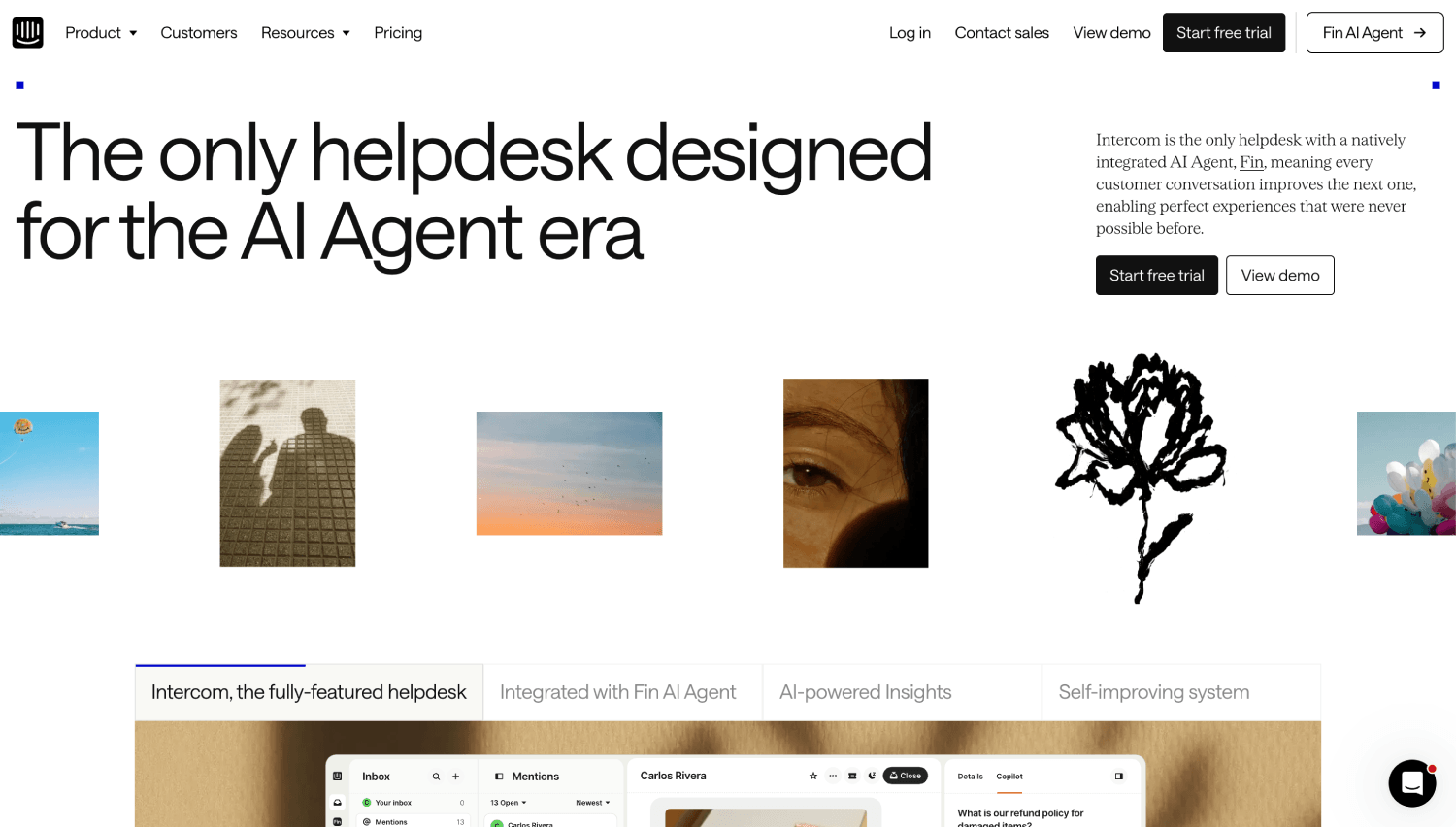
Intercom Product Tours is an add-on to Intercom’s core messenger platform. It builds tours using the same trigger logic that drives Intercom’s chat targeting, which makes behavioral rules intuitive for teams that already think in Intercom segments. The integration with Intercom conversations is useful for handoff moments: a tour can end with a “Talk to us” button that opens a real chat.
The analytics are thin. Intercom Product Tours shows completion rates but not the kind of feature adoption data Pendo or Userpilot surfaces. This is an add-on, not a standalone product, and Intercom prices it accordingly rather than as a primary tool.
For teams not on Intercom, there is no reason to pick this over Userpilot or Chameleon. For teams who are already paying for Intercom and need basic tours without adding another vendor, it may be the path of least resistance.
6. WalkMe: Enterprise Digital Adoption, Not a PLG Tool
WalkMe is in a different category from every other tool on this list. It is a digital adoption platform built for enterprise IT departments rolling out Salesforce, SAP, or Workday to thousands of employees. The governance features, data residency controls, and admin hierarchy are enterprise-grade because the buyer is an IT leader, not a product manager.
WalkMe pricing is quote-based and typically runs at a significant premium over mid-market tools. For product-led SaaS teams evaluating alternatives to Appcues, WalkMe is almost certainly the wrong fit. It takes months to deploy properly and requires dedicated admin resources.
The scenario where WalkMe makes sense: a company whose product team needs lightweight PLG tooling but whose IT department has mandated a single enterprise DAP vendor. In that case, WalkMe’s breadth covers both use cases under one contract. Otherwise, look elsewhere.
7. Userflow: The Developer-Friendly Dark Horse
Userflow tends not to show up in listicles as often as Appcues or Pendo, but it has a genuinely strong developer experience. The JavaScript SDK is lightweight, the React integration is clean, and the flow editor lets engineers define trigger conditions programmatically rather than relying solely on URL and CSS selector matching.
According to Userflow’s public pricing page, the Startup plan is $300/month and is not gated by MAU count in the same aggressive way as some competitors. That flat-rate model matters for teams with spiky user counts or those expecting rapid growth in the next two quarters. Run the Fit-Layer Test pricing ceiling check here: if your MAU projection doubles within 12 months, Userflow’s flat tier arithmetic looks better than Appcues or Userpilot’s per-MAU models.
Userflow’s analytics are functional but not deep. It tracks flow completion, NPS responses, and basic event triggers. Teams that need cohort-level analysis will still need a dedicated analytics tool alongside it, which pairs well with the product analytics tools beyond Google Analytics covered in detail elsewhere.
8. Lou: The Free-Tier Entry Point Worth Knowing
Lou offers a free plan that includes guided tours and product announcements for up to 1,500 monthly sessions. For a seed-stage startup validating onboarding flows before committing budget to Appcues or Userpilot, Lou is a reasonable place to start.
Paid plans start at $79/month on Lou’s public pricing page. The builder is simple, the analytics are basic, and the integration surface is limited compared to Chameleon or Userpilot. Lou does not pretend to compete with those tools on features. It competes on price and time-to-first-tour, which are real advantages at the earliest stages.
As soon as a team’s onboarding strategy matures beyond simple linear tours, Lou will feel constraining. The migration path to a more capable tool is straightforward since Lou, like most tools in this category, stores flows as separate logic from your core product. Plan that migration before you need it.
How Does Appcues Pricing Actually Compare to Its Competitors?
| Tool | Entry Price | Pricing Model | Free Tier? |
|---|---|---|---|
| Appcues | $249/month (Essentials) | Per MAU | No (14-day trial) |
| Userpilot | $249/month (Starter) | Per MAU tiers | No (14-day trial) |
| Chameleon | $279/month (Startup) | Flat tiers | No (14-day trial) |
| UserGuiding | $69/month (Basic) | Per MAU tiers | No (14-day trial) |
| Pendo | Free up to 500 MAUs | Quote-based paid | Yes |
| Intercom Tours | Add-on (request pricing) | Add-on to Intercom | No |
| WalkMe | Quote-based only | Enterprise contract | No |
| Userflow | $300/month (Startup) | Flat tiers | No (14-day trial) |
| Lou | $79/month paid; free tier available | Session-based tiers | Yes |
The pricing comparison reveals something counterintuitive. At the entry level, Appcues is not the cheapest option, but it is not the most expensive either. UserGuiding’s $69/month entry point is the clear outlier. Where the gap widens is in what each entry tier actually includes: Userpilot’s $249/month tier covers analytics and segmentation that Appcues gates behind higher plans.
What Should Teams Building Customer Onboarding Flows Prioritize?
The onboarding layer and the in-app guidance layer are adjacent but distinct. Tools like Userpilot and Pendo build onboarding checklists that drive users to activation events. That is meaningfully different from a one-time product tour. Teams working through customer onboarding tools that cut time-to-value will find that the best guidance tool depends heavily on how they define activation.
A concrete scenario illustrates where the Fit-Layer Test earns its keep: a B2B SaaS team with 8,000 MAUs wants to drive feature adoption for a new analytics dashboard. They already have Amplitude for behavioral data. Their activation event is “user views two reports within the first week.” Pendo’s analytics are redundant here , the team has that layer covered. Chameleon or Userpilot, both of which can trigger a tooltip sequence based on an Amplitude-piped event, handle the guidance side cleanly. UserGuiding’s analytics gap does not matter because the team is not using the guidance tool for data. The remaining decision is purely about triggering complexity: Chameleon for a React-heavy SPA with strict CSP, Userpilot for everything else. That is how the Fit-Layer Test resolves what a feature matrix cannot.
How Does In-App Guidance Connect to the Broader Customer Success Stack?
In-app guidance tools are one layer of the customer success infrastructure, not the whole thing. They handle the in-product moments. Customer success platforms handle health scoring, renewal signals, and CSM workflows. The overlap creates a real risk of double-buying.
Teams evaluating the best customer success platforms for B2B SaaS often discover that tools like Gainsight PX and Pendo have overlapping capabilities with in-app guidance tools. Before committing to an Appcues alternative, confirm whether your CS platform already includes a native in-app layer. Gainsight PX, for example, includes tours and tooltips within the Gainsight product suite, which can eliminate the need for a standalone tool entirely.
Frequently Asked Questions About Appcues Alternatives
What is the cheapest alternative to Appcues, and what does it actually cover?
UserGuiding starts at $69/month, making it the lowest-cost paid alternative. Lou offers a free tier for up to 1,500 monthly sessions. Pendo also has a free plan capped at 500 MAUs. For early-stage teams with limited budget, UserGuiding’s Basic plan covers the core use cases: product tours, checklists, hotspots, and basic surveys. The trade-off is analytics depth , UserGuiding does not surface cohort-level feature adoption data, so teams that need that should budget for a separate product analytics tool alongside it.
Which Appcues alternative works best when Segment is already in the stack?
Chameleon and Userpilot both have native Segment integrations that allow tour triggering based on Segment audience membership or event history. Chameleon’s Segment connection is particularly strong for teams that want to pipe Segment traits into display logic, controlling who sees which tour without writing custom code in the guidance tool itself. Userpilot’s Segment integration handles standard event-based triggering cleanly, but Chameleon gives more granular control over audience conditions when the logic gets complex.
Does Pendo replace the need for Mixpanel or Amplitude?
Pendo’s analytics layer covers feature-level usage, path analysis, and retention by cohort. For many product teams, that is sufficient. Pendo does not replace Mixpanel or Amplitude for teams that need custom funnel analysis, advanced experimentation reporting, or cross-platform event tracking. Teams already invested in either tool should treat Pendo primarily as a guidance and roadmapping platform, not as a data replacement.
Can any of these tools work inside a mobile app, not just web?
Pendo offers native iOS and Android SDKs for mobile in-app guidance and analytics. WalkMe has a mobile DAP offering. Most other tools in this list, including Userpilot, Chameleon, UserGuiding, and Userflow, are web-only. Teams building for mobile-first products should verify native SDK availability before signing any contract.
How long does it take to migrate from Appcues to one of these alternatives?
Migration timelines depend on how many flows you have built and how complex the triggering logic is. Simple snippet replacement with a tool like Userpilot or UserGuiding typically takes one to two engineering hours plus a few days to rebuild flows in the new editor. Complex Chameleon integrations with CRM data sources can take one to two weeks. No tool imports Appcues flows natively, so rebuilding is required in every case.
Is there an alternative to Appcues that works well for enterprise IT rollouts?
WalkMe is the standard choice for enterprise digital adoption scenarios: deploying Salesforce, SAP, Workday, or similar platforms to large internal user bases with strict governance requirements. Pendo is a secondary option at the enterprise level. Neither is optimized for product-led growth teams shipping consumer or SMB SaaS products, where Userpilot, Chameleon, or Userflow are better fits.
Which Appcues Alternative Should You Actually Buy?
Most teams will land on Userpilot or Chameleon. Userpilot is the right call for teams that want a single tool covering tours, NPS, checklists, and adoption analytics without a separate analytics contract. Chameleon is the right call when the engineering team needs DOM-level control or when Segment-driven audience targeting is central to the onboarding strategy.
UserGuiding earns a serious look for any team that has not crossed 2,500 MAUs and does not need deep analytics from the guidance layer itself. The $69/month entry point means the switching cost of outgrowing it is low, and the builder is fast enough that product managers can iterate on onboarding flows without engineering involvement.
The tools at the edges of the list, WalkMe for enterprise and Lou for pre-revenue, serve genuinely different buyers than teams evaluating Appcues. Running the Fit-Layer Test against your actual stack, MAU trajectory, and existing analytics contracts will eliminate most of the list before you open a single demo call.