- Gainsight is purpose-built for enterprise CS teams with six-figure budgets and dedicated admins. Mid-market teams pay for architecture they will never use.
- ChurnZero and Vitally are the strongest like-for-like replacements for teams under 500 accounts. Planhat wins on data flexibility. Catalyst wins on CRM fidelity.
- Most of these alternatives are faster to implement and cheaper to maintain than Gainsight, not just cheaper to license.
- The right pick depends on your CRM, your data warehouse situation, and whether your CS team is quota-carrying or purely post-sale support.
- HubSpot Service Hub belongs on this list only for teams already running HubSpot CRM who want CS workflows without a separate platform contract.
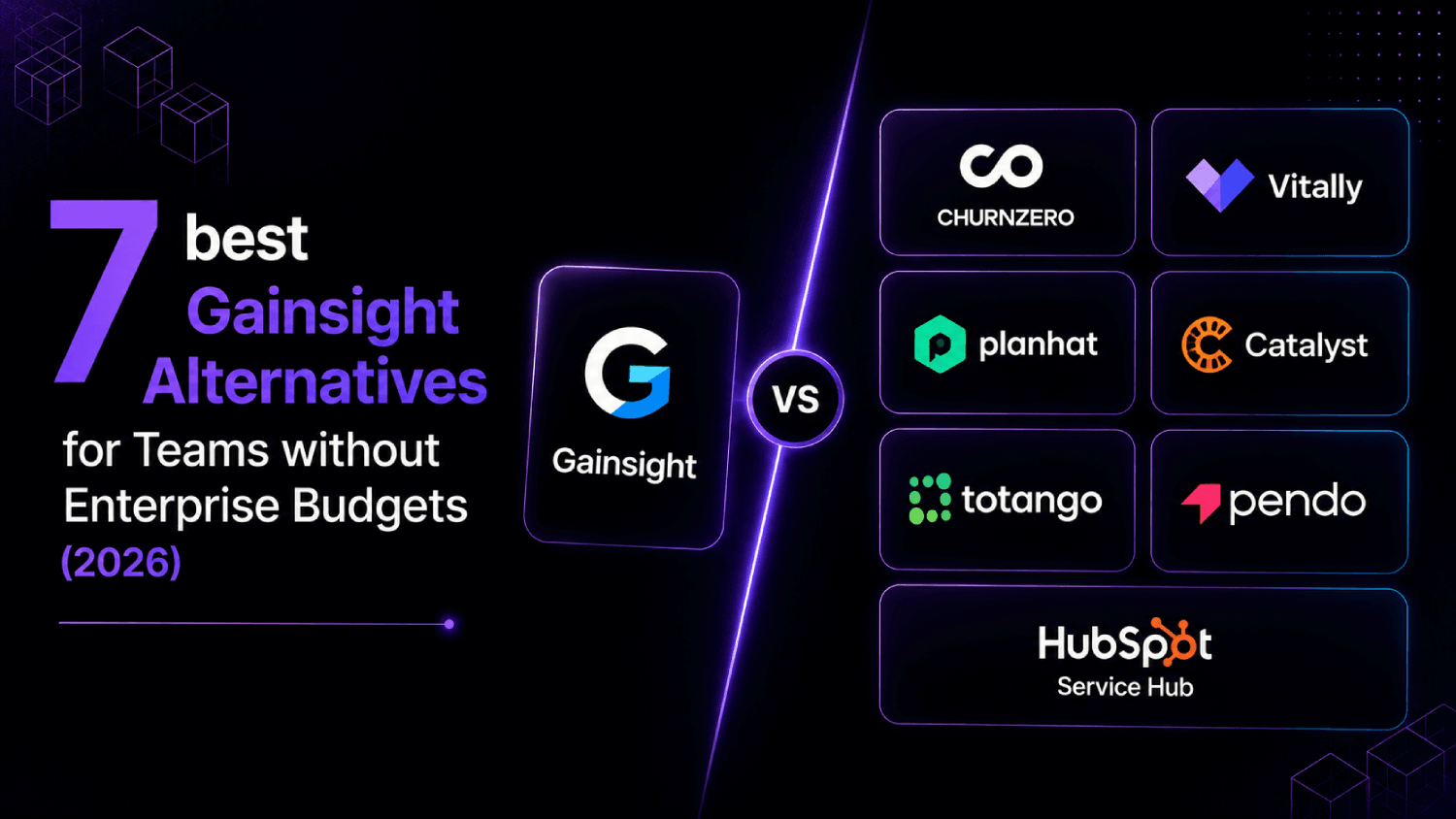
The strongest Gainsight alternatives for mid-market B2B SaaS teams are ChurnZero, Vitally, Planhat, Catalyst, Totango, Pendo, and HubSpot Service Hub. Each costs significantly less than Gainsight’s enterprise licensing, deploys faster, and handles health scoring, playbooks, and renewal workflows without requiring a full-time admin to keep the system running.
Why do teams actually leave Gainsight?
Gainsight is genuinely good software. Its health scoring engine, Journey Orchestrator, and C360 view are among the most complete CS workflows in the market. Capability is not the issue. Fit is.
Gainsight is priced and designed for companies with hundreds of CSMs, dedicated RevOps support, and the runway to run a 6-to-12 month implementation. Teams below that threshold end up with a platform that is 60% unused and an admin burden that falls on someone who already has a full job. Implementation partners charge anywhere from $20,000 to well over $100,000 for enterprise Gainsight deployments, a figure that appears consistently across customer success community discussions and vendor-adjacent consulting firms.
Gainsight does not publish pricing publicly, which itself signals who it is built for. When a vendor requires a discovery call before sharing a number, they are not targeting 15-person CS teams.
How to evaluate a Gainsight competitor without getting fooled by demos
Most CS platform demos look identical. Health scores, playbooks, customer timelines. The differentiation lives in three places that vendors rarely lead with: CRM sync fidelity, data model flexibility, and time-to-first-value.
The AboutMartech CS Platform Fit Test is a four-check framework for cutting through the noise before you sign anything.
- CRM sync fidelity: Does the platform treat your CRM as the source of truth, or does it maintain a parallel data model that drifts? Ask specifically how field-level conflicts are resolved.
- Health score transparency: Can a CSM see exactly what inputs moved a score, or does the algorithm function as a black box? Black-box scoring kills CSM adoption.
- Playbook trigger logic: Are triggers based on real-time data events, or batch syncs that run nightly? A 24-hour lag in churn signal detection is meaningful for high-velocity SMB accounts.
- Implementation timeline without a partner: Ask the vendor how long it takes a team of two to reach a production-ready health score model. If the honest answer is more than 90 days, budget accordingly.
Run these four checks in every demo and you will immediately separate the platforms worth shortlisting from the ones that will still be “in implementation” when your board asks for a QBR update.
What does Gainsight actually cost, and what are you comparing against?
Gainsight pricing is quote-based and not disclosed publicly. Based on publicly available customer reviews on G2 and Gartner Peer Insights, mid-market teams frequently report annual contract values starting around $40,000 to $60,000 for a modest seat count, with enterprise contracts running into six figures. Those figures are user-reported, not vendor-confirmed, and your number will vary. What matters for this comparison is the order of magnitude: most alternatives below land in the $10,000 to $30,000 per year range for comparable team sizes.
The 7 best Gainsight alternatives, compared
| Platform | Best for | Pricing model | CRM native? | Implementation speed |
|---|---|---|---|---|
| ChurnZero | B2B SaaS, 50-500 accounts | Quote-based | Bi-directional sync (Salesforce, HubSpot) | 30-60 days |
| Vitally | Product-led CS teams | Quote-based | Salesforce, HubSpot sync | 2-4 weeks |
| Planhat | Data-heavy teams, warehouse users | Quote-based (flat platform fee model) | Strong API, CRM sync | 4-8 weeks |
| Catalyst | Revenue-focused CS, Salesforce shops | Quote-based | Salesforce-native | 2-6 weeks |
| Totango | Fast deployment, modular CS | Free tier + paid plans | Salesforce, HubSpot sync | Days to 2 weeks |
| Pendo | Product analytics + in-app CS | Free tier + quote-based | Salesforce, HubSpot integrations | 1-3 weeks |
| HubSpot Service Hub | HubSpot CRM teams, CS-light workflows | $15/seat/mo (Starter) to quote (Enterprise) | Native HubSpot CRM | Days |
Which Gainsight competitor is right for which team?
1. ChurnZero
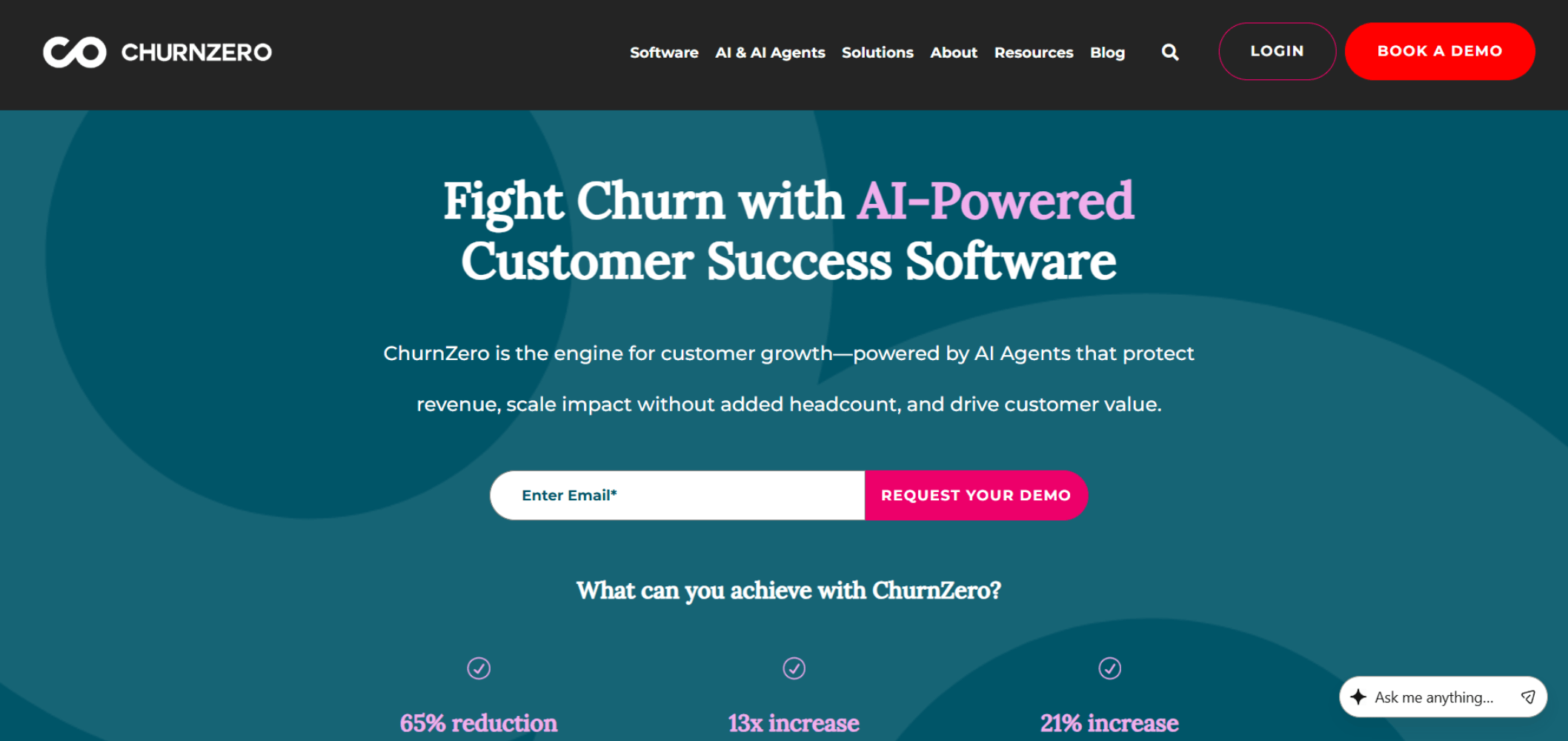
ChurnZero is the most direct mid-market replacement for Gainsight. It replicates the core CS workflow, health scoring, playbooks, renewal alerts, QBR templates, without the implementation overhead. The interface is built for CSMs who are not data engineers, which sounds obvious but is a real differentiator against Gainsight’s admin-heavy configuration model.
ChurnZero’s ChurnScore engine lets CSMs see the contributing factors behind each score change, satisfying the health-score transparency check. Bi-directional sync with Salesforce and HubSpot CRM is native, not a third-party connector. Pricing is quote-based, but ChurnZero actively markets to teams in the 50-500 managed accounts range, which signals a price point more accessible than Gainsight’s enterprise floor.
The gap: ChurnZero’s reporting layer is functional but not deep. Teams that need complex, cross-segment analytics will feel the ceiling. For straightforward CS motion with good adoption, it is the safest Gainsight swap in this list.
2. Vitally
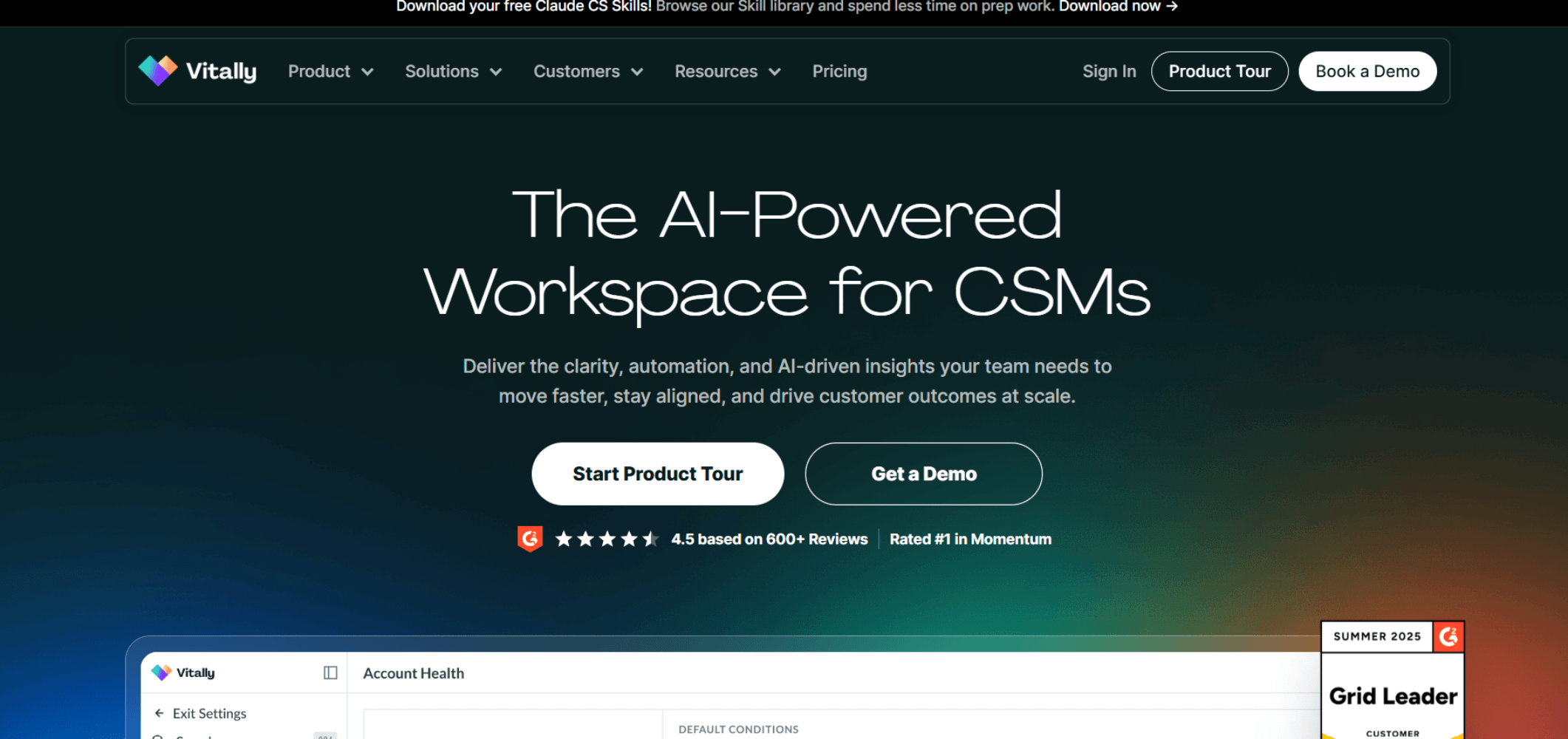
Vitally targets product-led SaaS teams where usage data is the primary churn signal. Its data model ingests product events alongside CRM data and lets CSMs build health scores from actual feature adoption metrics, not just login frequency. That distinction matters for companies where a customer’s product behavior tells a more honest story than their support ticket volume.
Vitally ships with a Notion-style document layer inside the platform, so CSMs draft success plans, meeting notes, and QBR decks without leaving the tool. It is a small feature that meaningfully reduces context switching. Implementation typically runs two to four weeks, and the UI requires no dedicated admin to maintain. For teams running a product-led CS motion, Vitally competes with Gainsight at a fraction of the contract value.
The gap: Vitally’s playbook engine is less mature than ChurnZero’s or Gainsight’s. Teams running complex, multi-touch automated sequences may find it limiting.
3. Planhat
Planhat stands out for one specific reason: its pricing model. Rather than charging per seat or per managed account, Planhat uses a flat platform fee with unlimited users, a structure that benefits teams where multiple internal stakeholders, executives, sales reps, finance, touch customer data without being full CSMs. That model surfaces in buying conversations as a meaningful total-cost-of-ownership advantage.
Planhat also has the strongest native data flexibility on this list. It accepts data from APIs, CRM syncs, and direct warehouse connections, making it a logical choice for teams already investing in a modern data stack. If your team is evaluating warehouse-native customer data infrastructure, Planhat’s data ingestion model aligns well with that architecture. The health scoring builder is visual and configurable without engineering support.
The gap: Planhat’s interface is less intuitive than ChurnZero’s or Vitally’s for CSMs who live in the platform daily. It rewards configuration investment. Lean teams may find the setup overhead higher than expected.
4. Catalyst
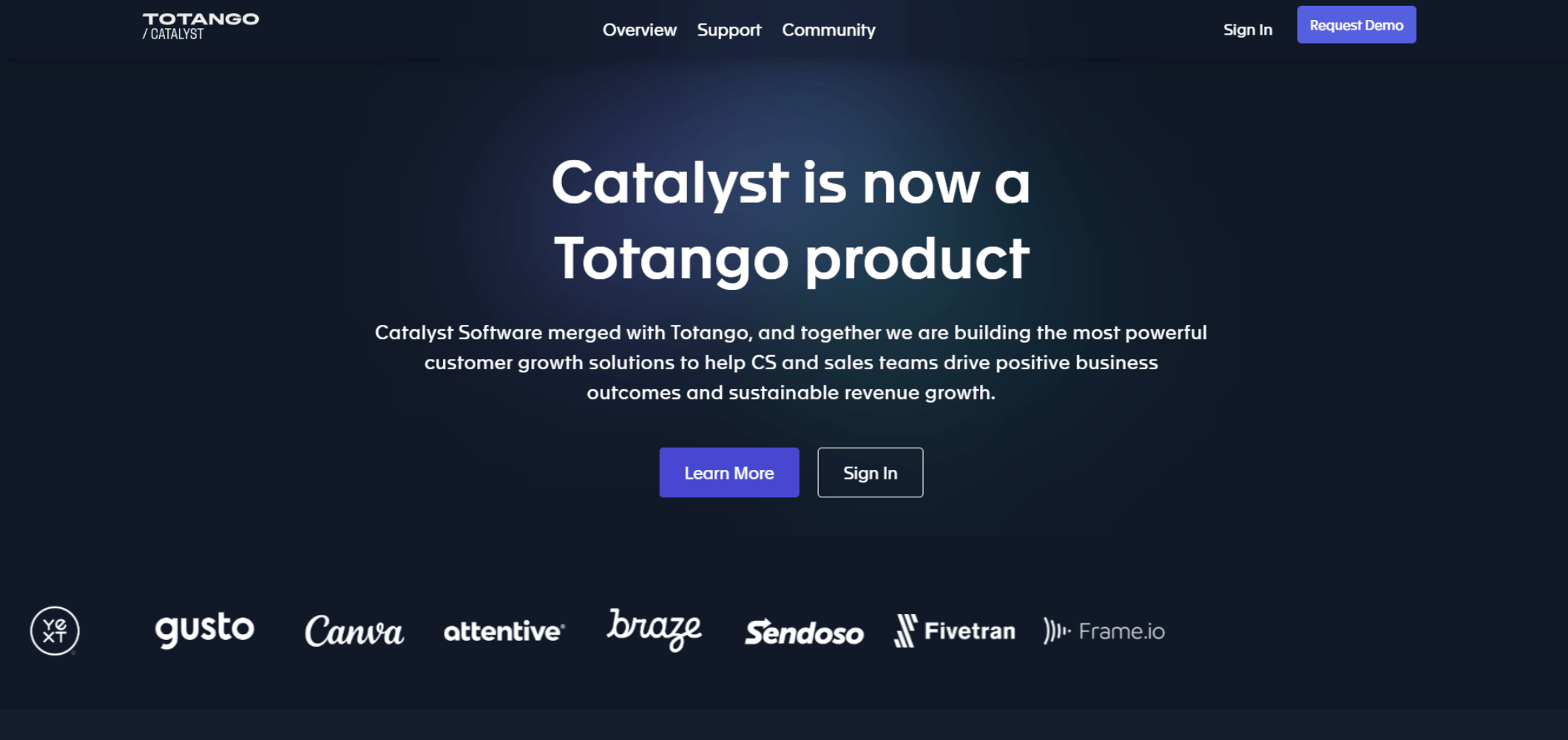
Catalyst is built for CS teams where CSMs carry expansion and renewal quotas, not just relationship maintenance roles. It was designed to live inside Salesforce’s data model, which means account and opportunity data flows without transformation or mapping gymnastics. If your CS team’s success is measured in NRR rather than NPS, Catalyst’s revenue-linked workflow logic matches that motion better than most alternatives.
Catalyst’s interface surfaces renewal health and expansion signals in the same view, so a CSM preparing for a QBR can see renewal risk and upsell opportunity simultaneously without toggling between systems. The Salesforce-native architecture also reduces the CRM sync drift problem, because Catalyst reads directly from Salesforce objects rather than maintaining a shadow database.
The gap: Catalyst is a Salesforce shop tool. Teams on HubSpot CRM will find the integration less native and the workflow assumptions less aligned.
5. Totango
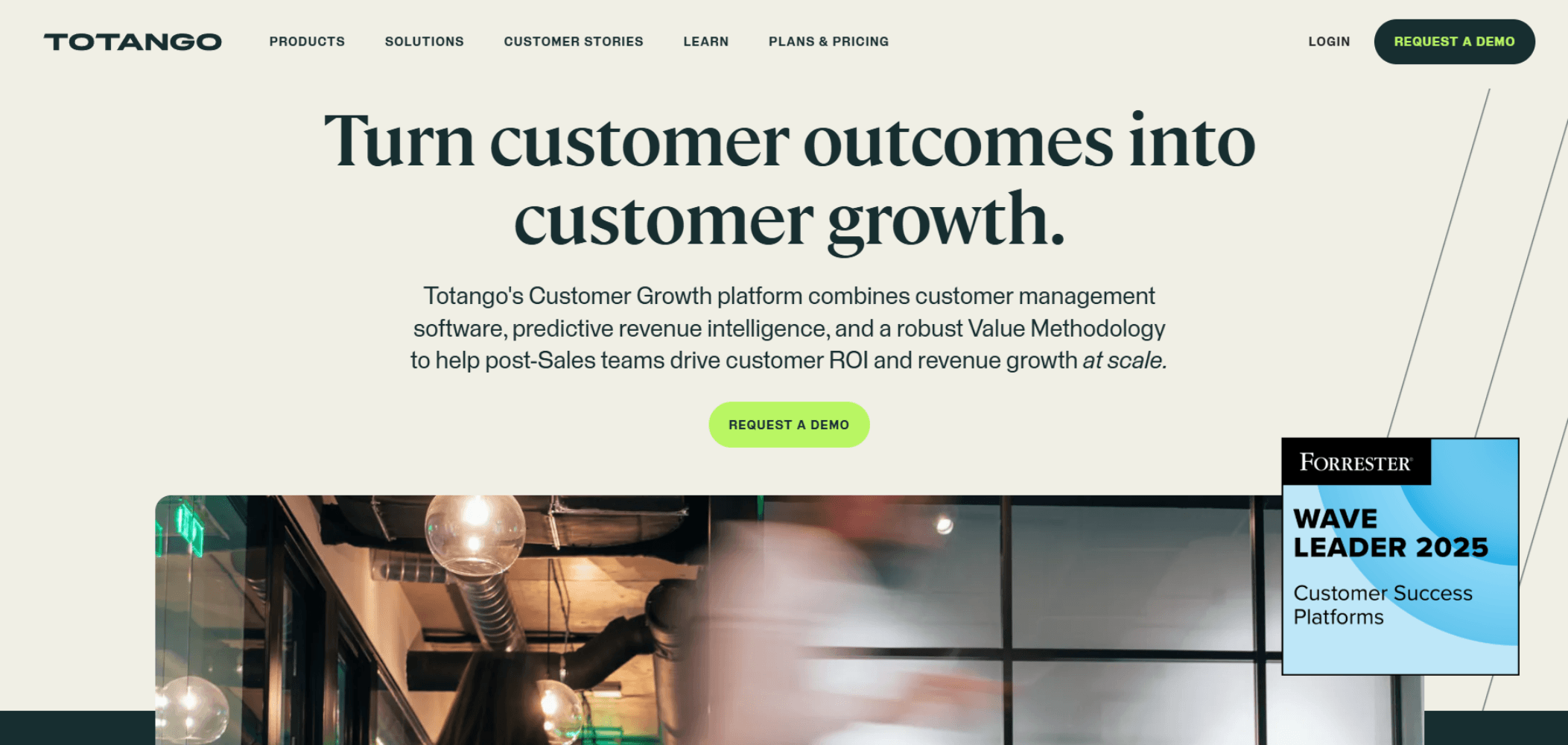
Totango offers something none of the other platforms on this list do: a free tier that is genuinely usable, not a crippled trial. Small teams can start with Totango’s SuccessBLOCs, pre-built modular CS playbooks covering onboarding, adoption, renewal, and expansion, without a contract. That makes Totango the lowest-friction entry point for teams testing CS tooling for the first time.
Totango merged with Catalyst in 2023, which created some market confusion about roadmap direction. As of their public messaging, both brands continue to operate, with Totango positioned toward the modular, mid-market segment. The platform’s SuccessBlocs library means a team can be running real playbooks within days of signup, not weeks. For teams evaluating customer onboarding tooling alongside CS platforms, Totango’s onboarding SuccessBloc is worth evaluating as a combined solution.
The gap: Totango’s reporting is not as strong as ChurnZero’s, and the merged product roadmap creates some uncertainty about long-term feature development priorities. Teams signing multi-year contracts should ask specific questions about the Totango-Catalyst integration plan.
6. Pendo
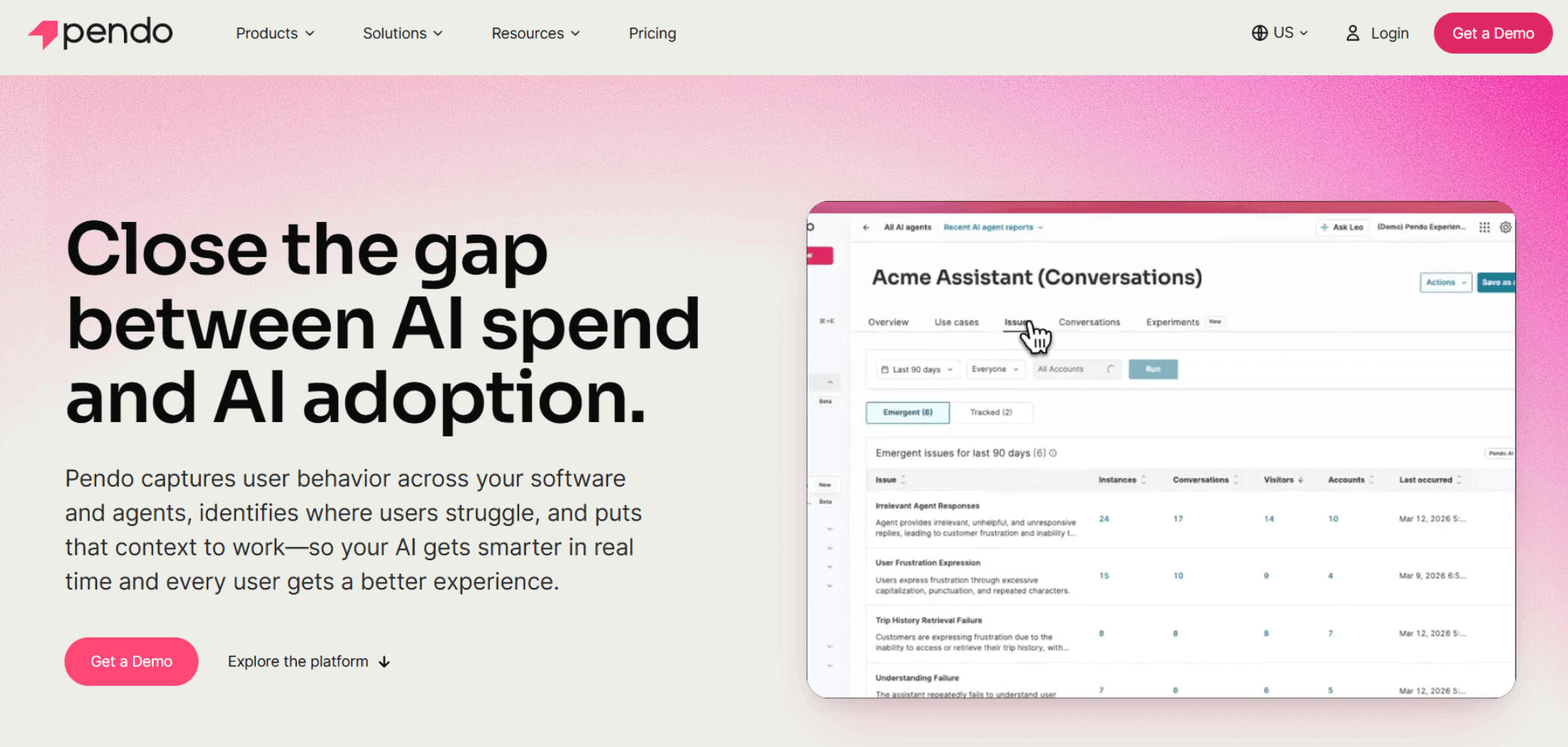
Pendo is not a CS platform in the traditional sense. It is a product analytics and in-app engagement platform that can perform CS functions, specifically in-app health signaling, guided onboarding, and NPS collection, better than any purpose-built CS tool on this list. Teams where the product is the primary customer relationship channel get more signal from Pendo’s behavioral data than from a traditional account health score built on CRM activity.
Pendo’s free tier covers core product analytics for small apps. Paid plans are quote-based for larger data volumes. The CS use case works best when Pendo is paired with a CRM or a lighter CS tool that handles renewal workflows and CSM task management, because Pendo alone does not manage playbooks or CSM-facing dashboards in the way ChurnZero or Vitally do. It is a complement more than a replacement, but for product-led teams, it beats Gainsight on the analytics that actually predict churn.
The gap: Pendo requires engineering involvement for initial instrumentation. If your product team has not already tagged events, budget time before CS workflows are usable.
7. HubSpot Service Hub
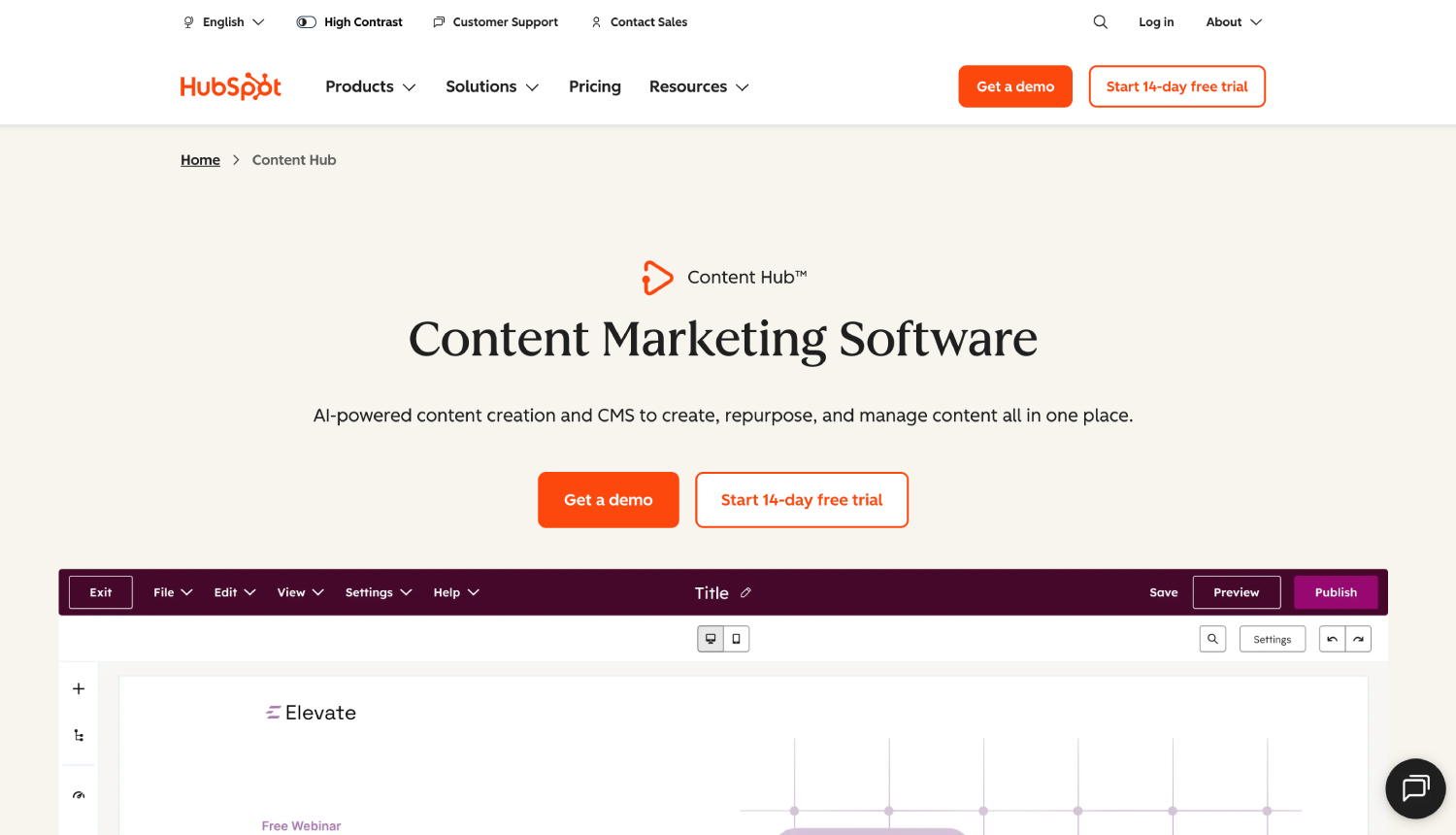
HubSpot Service Hub belongs on this list with one clear caveat: it is the right answer only if your CRM is already HubSpot. For those teams, Service Hub adds customer portal access, ticket pipelines, customer health scoring via custom properties, and survey tools directly on top of HubSpot CRM data, with no sync configuration required. The value is architectural, not feature-parity with Gainsight.
HubSpot publishes its pricing publicly. Service Hub Starter runs $15 per seat per month. Professional is $90 per seat per month as of HubSpot’s public pricing page. Enterprise pricing is quote-based. For a five-person CS team on Professional, that is $5,400 per year before any add-ons, a number that makes the Gainsight comparison almost irrelevant for SMB teams. The trade-off is depth: Service Hub’s health scoring is manually configured via custom properties, not a real-time event-driven scoring engine. For teams managing under 100 accounts with straightforward renewal workflows, that trade-off is acceptable.
The gap: Service Hub is not a purpose-built CS platform. Teams running complex, multi-segment CS motions with automated playbooks at scale will outgrow it. It is a starting point, not an endpoint.
Which alternative should you actually shortlist?
Consider a B2B SaaS company with 200 managed accounts, a three-person CS team, Salesforce CRM, and a goal of reducing net revenue churn by two percentage points over the next four quarters. ChurnZero or Catalyst is the right call. ChurnZero if the team needs fast CSM adoption and clean playbook automation. Catalyst if renewal and expansion quota are baked into the CS role and the team lives inside Salesforce.
For a product-led growth company with 1,000 accounts managed at scale, no dedicated CSM per account, and high reliance on in-app behavior as the primary signal: Vitally or Pendo, with Pendo handling the behavioral layer and Vitally managing the CSM workflows for high-value accounts. Teams investing in a modern data stack should evaluate Planhat alongside any of the above, since its data ingestion model removes the need to maintain a separate customer data layer. For a broader look at how CS tools fit into the full customer data architecture, the B2B CDP comparison on AboutMartech covers the upstream data infrastructure that feeds these health scoring systems.
HubSpot Service Hub wins for any team already on HubSpot CRM that manages fewer than 150 accounts and does not yet need event-driven playbook automation. Start there, then migrate to a purpose-built CS platform when the workflows demand it.
Frequently asked questions about Gainsight alternatives
Is there a free alternative to Gainsight?
Totango offers a free tier with real CS functionality, including pre-built playbooks for onboarding, adoption, and renewal. Pendo also has a free tier for product analytics, which covers health signaling and in-app engagement. HubSpot Service Hub’s free CRM layer handles basic ticketing. None of these replace Gainsight’s full enterprise feature set, but Totango’s free plan is genuinely usable for teams managing under a few dozen accounts without a paid commitment.
What is the cheapest paid alternative to Gainsight?
HubSpot Service Hub Starter is publicly priced at $15 per seat per month, making it the lowest-cost entry on this list with a published price. Totango’s paid plans start below the typical Gainsight contract floor. ChurnZero, Vitally, Planhat, and Catalyst are all quote-based but consistently report lower total contract values than Gainsight for equivalent team sizes, based on user-reported figures across G2 and Gartner Peer Insights reviews.
Can any of these alternatives handle enterprise-scale CS operations?
Planhat and ChurnZero both serve customers at enterprise scale. Planhat’s unlimited-user pricing model and warehouse-grade data ingestion make it viable for large organizations with complex data environments. ChurnZero has customers managing thousands of accounts across multiple segments. Totango’s merged entity with Catalyst also targets larger organizations. The key question is not account volume but CS operational complexity: multi-region teams, complex hierarchy management, and deep Salesforce workflow integration all require careful platform evaluation.
How long does it take to switch from Gainsight to one of these platforms?
The honest answer varies by how deeply Gainsight is embedded. If playbooks, health score models, and CSM workflows are all configured in Gainsight, budget four to twelve weeks for migration to a comparable platform. Vitally and Totango are consistently cited as faster to configure than ChurnZero or Planhat. The migration variable that teams underestimate is historical data: moving account timeline data and health score history from Gainsight’s data model to a new platform often takes longer than the new platform configuration itself.
Do any of these platforms integrate with warehouse data sources like Snowflake or BigQuery?
Planhat has the strongest native warehouse connectivity on this list. Several others, including Vitally and ChurnZero, support data ingestion via API, which allows warehouse data to flow in through a reverse ETL layer. For teams already running a reverse ETL pipeline, this is a practical option. If warehouse activation is central to your CS data strategy, the reverse ETL tools comparison on AboutMartech covers the middleware that makes warehouse-to-CS-platform pipelines work in practice.
What does Gainsight offer that none of these alternatives match?
Gainsight’s Journey Orchestrator is the most sophisticated automated lifecycle management engine in the CS category. It handles multi-conditional, multi-channel customer lifecycle programs at a depth that ChurnZero and Vitally do not fully replicate. Gainsight’s C360 view also aggregates more data sources out of the box than most alternatives. If your CS team runs highly complex, multi-touch automated programs at scale with thousands of accounts, Gainsight’s playbook engine is genuinely ahead. For teams that actually use those capabilities, the price is defensible.
Is Gainsight worth the cost for a 10-person company?
No. Gainsight’s implementation overhead, admin requirements, and minimum contract values are not designed for teams at that scale. A 10-person company managing customer success should start with HubSpot Service Hub if already on HubSpot CRM, or Totango’s free tier if starting fresh. The full customer success platform ranking on AboutMartech covers options across the full maturity spectrum, from early-stage to enterprise, with explicit guidance on which tier each platform targets.
The real decision most teams delay too long
The Gainsight question rarely surfaces as a fresh evaluation. It surfaces when a team is already months into an implementation that stalled, or when a new CS leader inherits a Gainsight contract and realizes the platform is being used as an expensive spreadsheet replacement. By the time the question becomes “what are our alternatives,” there is usually contract renewal pressure and a frustrated CS team.
Starting fresh with a mid-market platform is almost always faster and less painful than trying to rescue a stalled Gainsight deployment. The platforms on this list are not consolation prizes. ChurnZero handles the CS workflows that most B2B SaaS teams actually run. Planhat handles data complexity that Gainsight handles only with significant admin investment. Vitally handles product-led CS better than Gainsight does by design.
Before renewal, one question is worth answering honestly: which capabilities in Gainsight does your team use every week, and which platform delivers those capabilities at a price and complexity level that matches your current operational reality? Most teams, when they answer that, find Gainsight is not the answer.